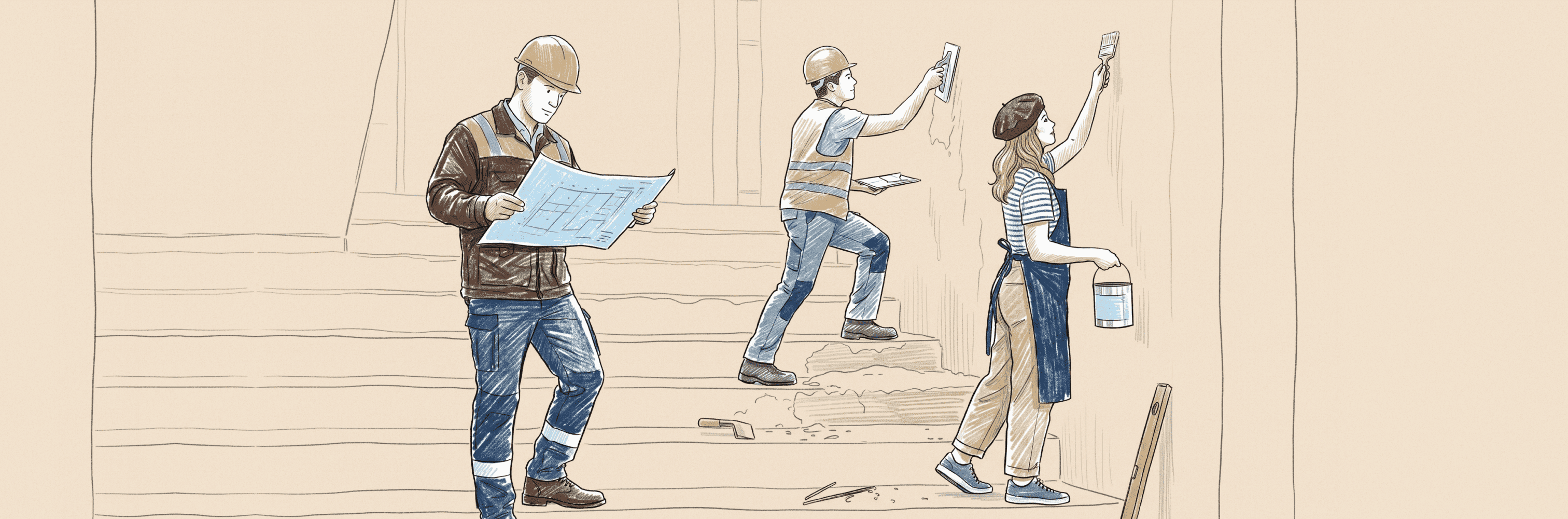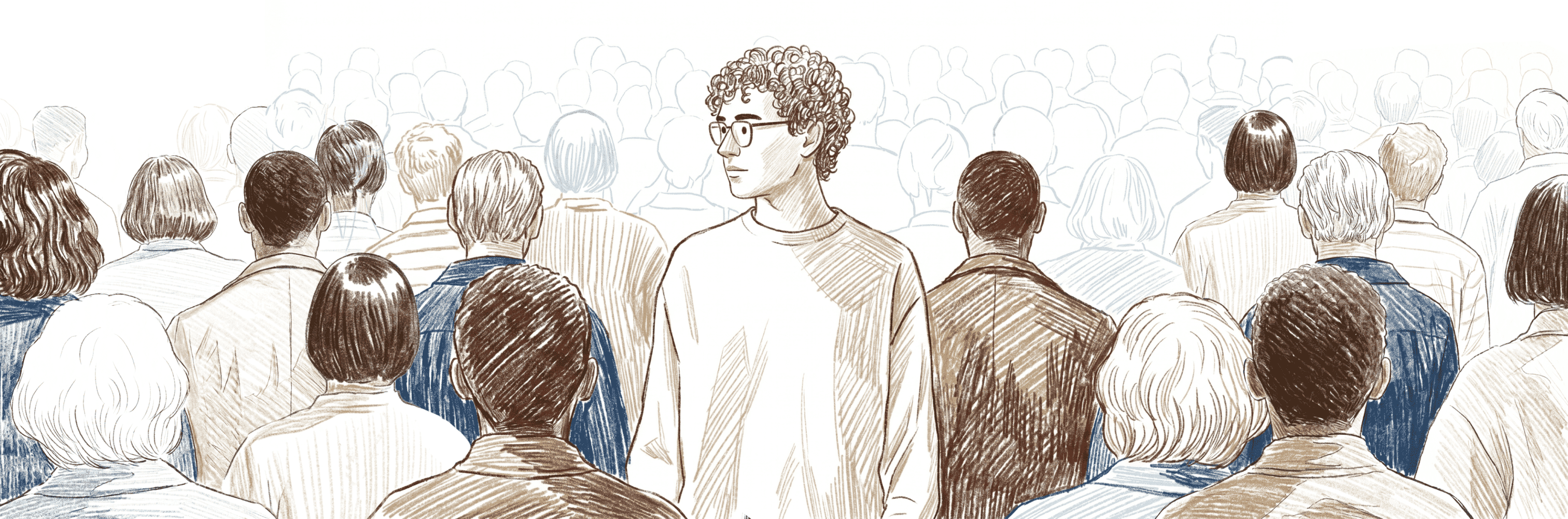
Every leader is feeling the speed problem. The meaning problem keeps getting pushed to next quarter. Why it's harder than ever to hold both, and how to sprint without losing...
When Figma breaks: a senior designer's workflow for building production-grade AI prototypes in hours, not weeks. Static prototypes can't capture how AI products actually behave. This is the layered process, and the exact toolchain, one of our designers used to go from wireframes to a fully working product in an afternoon.
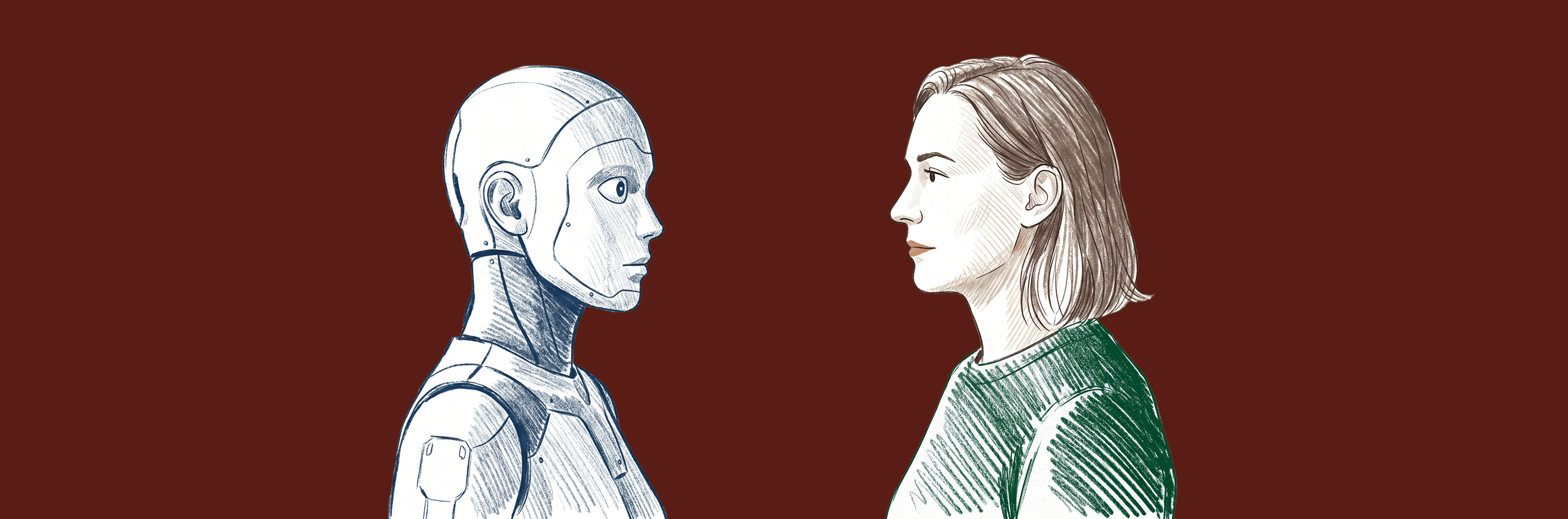
How human should your AI feel? This post explores the spectrum of personification in consumer AI - from faceless utilities to full-blown characters - and offers a practical framework for designing personality, tone, and trust into agentic experiences.
“Designing for The AI Era”Get your free ebook
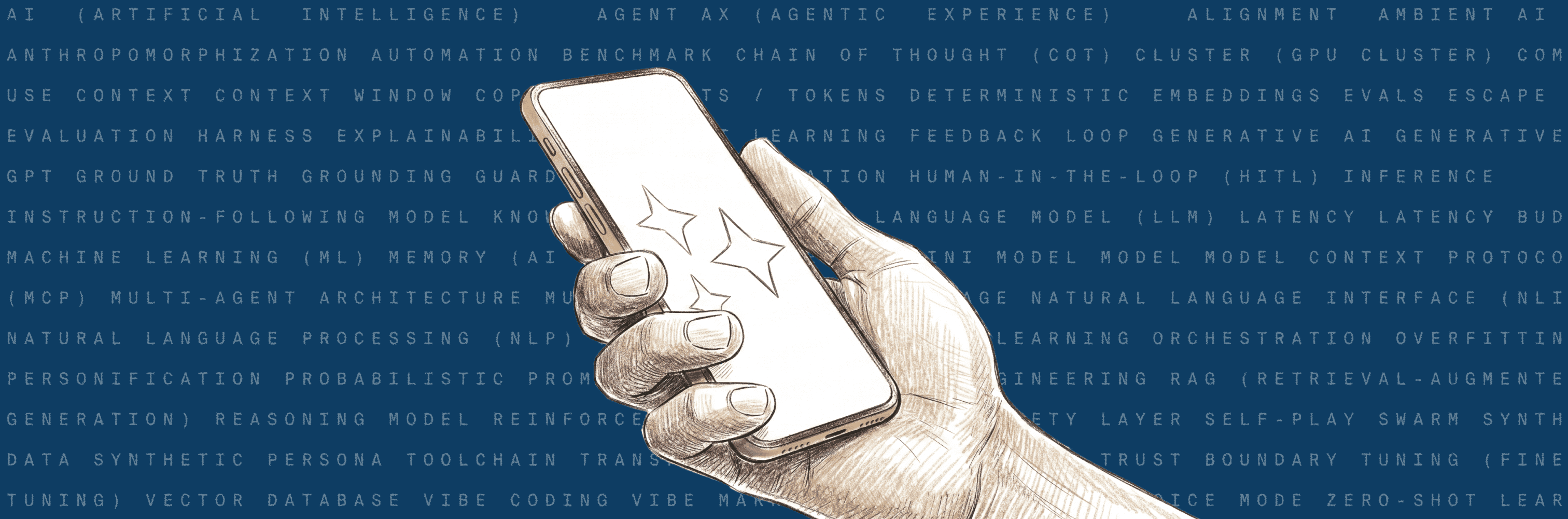
AI is transforming how products are designed, built, and experienced. This glossary is designed for anyone looking for an accessible, unified glossary of terms that they'll surely encounter on their AI product journey. Each one includes a quick definition and a product-oriented example to help you apply these concepts directly.
If you’ve worked with big service firms before, you’ve seen the agency landscape shift. The bloated teams and rigid processes of the past are fading, replaced by something leaner, smarter, and unmistakably human. At LCA, we’re betting on a future where hospitality and service aren’t just nice-to-haves, they’re the strategic edge that sets winners apart. Here’s why.
"You can do anything, but you can't do everything." That old adage has never felt more relevant, or more insufficient. In the AI age, the sheer volume of possibilities has exploded. It's never been easier to imagine, prototype, and ship. Every week brings a new capability, a new feature, a new threat, or a new opportunity. And for product and innovation leaders, that makes focus feel almost impossible. But the problem isn't just the volume of opportunity. It's the definition of focus itself. To navigate this new era, we need to evolve how we think about strategic focus, because when everything feels like it matters, nothing really does.
Products aren’t just utilities, they’re relationships. At LCA, we've been reflecting on how product interactions mirror human connections. We've categorized them into four distinct experiences: one-night stands, flings, relationships, and marriages. Each level maps loyalty, retention, and the shifting behavior of consumers, especially amid the current AI-powered wave of disposable software.
We're entering a new era of service delivery. As AI and automation advance, much of the executional work that once required teams of consultants or creatives will be handled by intelligent tools and agents. What remains is the work that demands judgment, taste, relationships, and a deep understanding of where the world is heading, not just where it’s been. At LCA, we believe the future of service firms lies in redefining what it means to serve—not by being faster or cheaper, but by being smarter, more thoughtful, and relentlessly human.
AI is shaping the future of software, driving innovation through personalized, purpose-built experiences. To succeed in this new era, brands must go beyond utility and focus on creating communities that resonate with their users' deeper aspirations.
AI is revolutionizing the software industry by dramatically lowering development costs. This shift is empowering independent creators and small teams to rival tech giants with innovative, personalized software experiences.
AI giants like OpenAI and Perplexity are evolving into powerful gatekeepers for brands, shifting focus from efficiency and accuracy to resonance with audiences.